20 Years of COMI: Because treatment success is more than just an X-ray
How can we determine whether spinal surgery has truly been successful? Not just from the perspective of the treatment team, but from the patients’ perspective? A patient questionnaire was developed at the Schulthess Klinik precisely for this purpose. For two decades, the so-called COMI-back has been helping to reveal how patients are really faring after surgery on the lumbar spine.
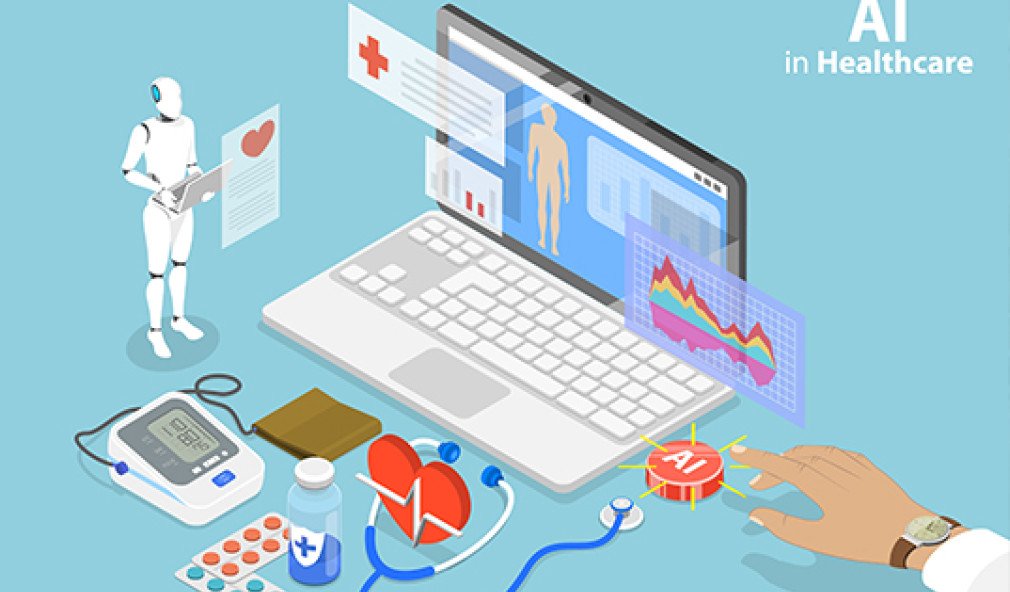
The more an artificial intelligence learns, the better it can support doctors. To do this, it requires large amounts of data. But how can this be reconciled with the protection of sensitive patient data? A study led by the Schulthess Clinic shows how several hospitals can train AI models together without exchanging sensitive data.
Spinal research: Early detection of wound infections
It is often difficult to detect a wound infection early on following spinal surgery. Researchers at the Schulthess Klinik and the AO Research Institute Davos have now discovered characteristic changes in the immune system that indicate an infection at an early stage. These findings will help to better identify wound infections following surgery and thus avoid unnecessary follow-up procedures.
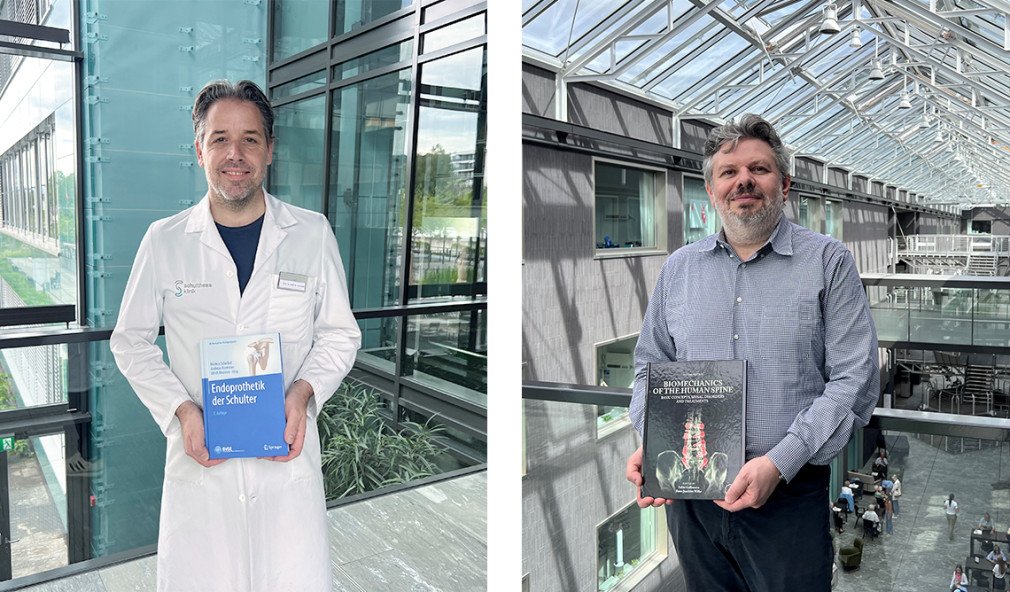
Two specialist books from Schulthess Klinik were published in May: Prof. Dr. med. Markus Scheibel, Head of Shoulder and Elbow Surgery, and Dr. biol. hum. Fabio Galbusera, Head of the Spine Research Group, have each published a new reference work.
Tamás Fekete elected to the Advisory Board of the Swiss Scoliosis Association
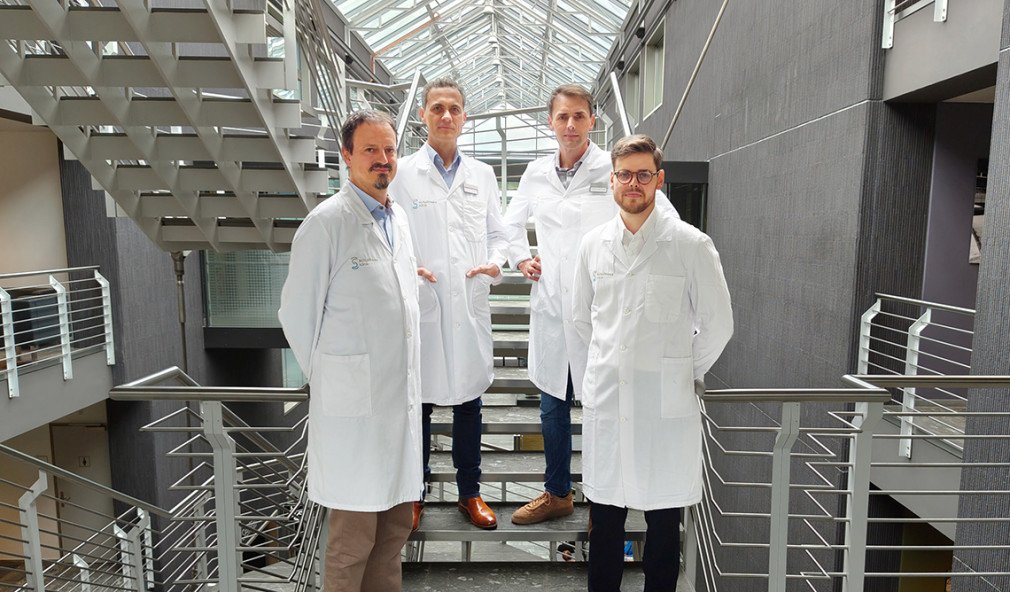
Our Head of Spinal Surgery, PD Dr Tamás Fekete, has been elected to the Advisory Board of the Swiss Scoliosis Association. He succeeds Prof. Dr. Dezsö Jeszenszky. The former Head of Spinal Surgery at the Schulthess Klinik was a co-founder of the association.
We’ve been asking patients how they feel after operations in the form of special patient questionnaires for over 20 years. For the first time, we’re now comparing the results from two different questionnaires relating to the cervical spine. This is an important development in spine research because it will help us to understand which operations genuinely help patients.
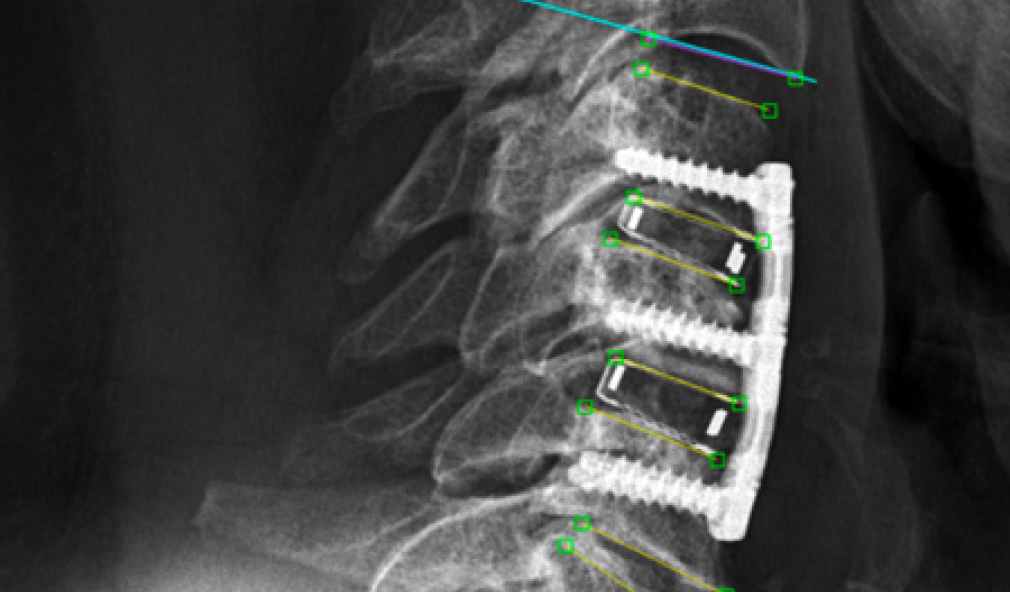
If the neck can be realigned as a result of a spinal operation, the effects can be positive on the whole cervical spine. This has been shown in a study by our spine team.
Prof. Dr. med. Dezső Jeszenszky – a life dedicated to spinal surgery
His commitment to improving spinal surgery and his dedication to patients of the Wilhelm Schulthess Foundation have defined his career and changed the lives of countless patients all around the world.