Featured Spinal research: Early detection of wound infections
It is often difficult to detect a wound infection early on following spinal surgery. Researchers at the Schulthess Klinik and the AO Research Institute Davos have now discovered characteristic changes in the immune system that indicate an infection at an early stage. These findings will help to better identify wound infections following surgery and thus avoid unnecessary follow-up procedures.
A wound infection is one of the most serious complications following spinal surgery. A severe infection can significantly weaken the body and necessitate further operations. This delays the healing process and places a significant physical and psychological strain on those affected.
At the same time, diagnosis is often challenging. Following surgery, numerous healing processes take place within the body. Inflammatory markers in the blood can therefore indicate either a normal healing response or an infection. Distinguishing between the two is often difficult. A research team from the Schulthess Klinik and the AO Research Institute Davos has therefore investigated how the immune system reacts to an infection following spinal surgery.
The immune system leaves a fingerprint
The researchers analysed blood samples from patients who had undergone lumbar spine surgery at the Schulthess Klinik. They compared patients with a wound infection with those whose recovery proceeded without complications.
The result: in infected patients, the immune system exhibited a distinctly different pattern to that seen in patients without an infection. Certain immune cells were less frequently present in the blood, whilst other immune cells were more strongly activated. Taken together, this produced a characteristic ‘fingerprint’ of an infection, which can be detected using a specialised blood test.
Faster diagnosis, less invasive procedures
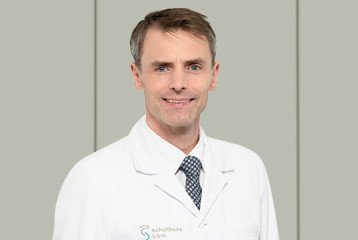
‘Detecting wound infections following spinal surgery at an early stage is crucial for the success of treatment. ‘Our study shows that the immune system provides important clues in this regard,’ says Prof. Dr Markus Loibl, Head of Spinal Surgery and initiator of the study. The findings therefore help to diagnose infections more effectively. The earlier and more reliably an infection is detected, the sooner the appropriate treatment can be initiated. This increases the chances of preserving the implants and avoiding complex follow-up operations. For patients, this means less stress and better chances of recovery.
The study also provides new insights into the role of the immune system in spinal infections. This knowledge lays the foundation for future treatment approaches that specifically support the body’s own defences.
Five years of research collaboration
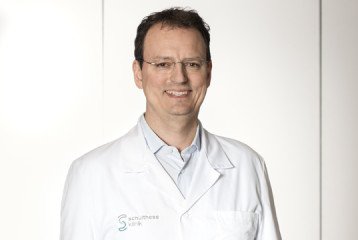
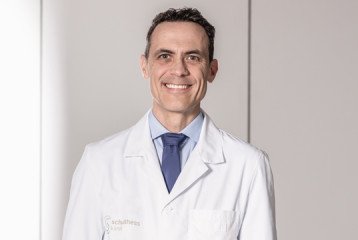
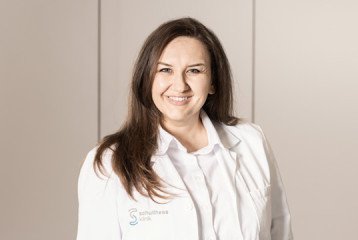
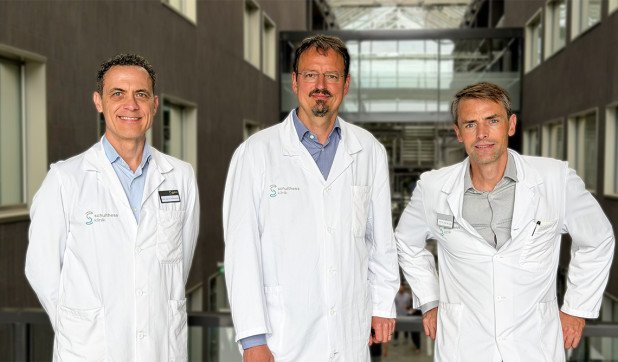
The study’s lead author is Pia Fehrenbach, a PhD student at the AO Research Institute Davos and the University of Amsterdam. The work was carried out over five years in close collaboration with an interdisciplinary research team at the AO Research Institute Davos, led by Prof. Dr Sybille Grad, as well as specialists from the Schulthess Klinik and Prof. Dr med. Siegmund Lang from Regensburg University Hospital. Representing the Schulthess Klinik, the following were involved in the study: Prof. Dr Markus Loibl, PD Dr Tamás Fekete, PD Dr Daniel Haschtmann and Dr Maja Gocević from the Spinal Surgery Department.
Made possible by the AO Foundation and the Schulthess Foundation’s Research Fund
The study was supported by funding from the AO Foundation and the Schulthess Foundation’s Research Fund. The study exemplifies how research is conducted and makes an impact at the Schulthess Klinik: relevant questions arising from day-to-day clinical practice are investigated scientifically, new insights are gained, and these are in turn incorporated into the treatment of future patients. In this way, research and clinical practice flow directly into one another – for the benefit of those affected.