The Foundation as a facilitator
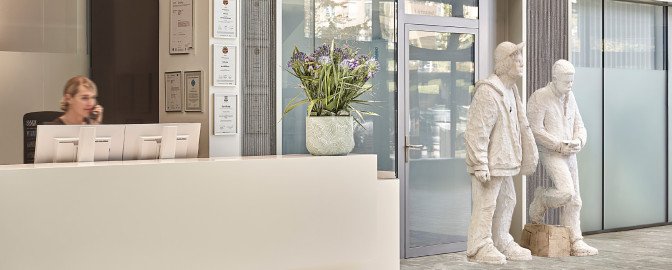
The Wilhelm Schulthess Foundation as an employer: tangible responsibility
Anyone who delivers top-quality care for patients on a daily basis needs a reliable and supportive working environment. This is why we create working conditions in which staff can develop, feel engaged and stay healthy. This approach shapes our corporate culture and forms the basis for a motivated and stable team – and thus for the quality of our services.
Recognition that comes with responsibility
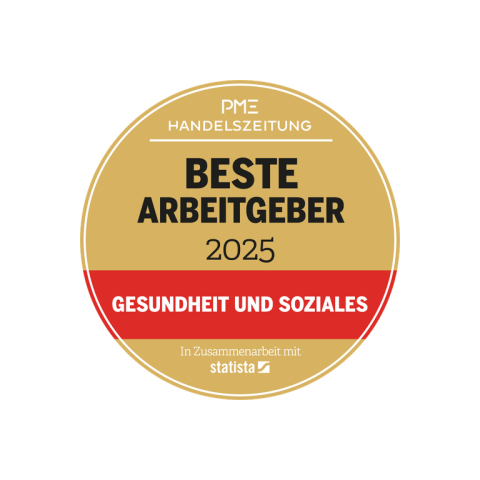
The "Best Employer 2025" award demonstrates that this commitment is making an impact. Schulthess Klinik ranks among the 250 best employers in Switzerland and came 11th in the health and social care sector. For us, this recognition is not only a confirmation but also an incentive to continue to actively fulfil our responsibility as an employer.
Work-life balance and development
Schulthess Klinik structures work in a way that suits different stages of life and family models. Flexible working arrangements, part-time work and support for employees with family commitments are a matter of course for us. This includes family-friendly working hours, cooperation with the Spatzennest nursery and the Work-Family Balance certificate, which highlights this commitment. Employees can also convert their 13th-month salary into additional days off. Around 43% of employees work part-time.
At the same time, we actively promote young talent, embody clear leadership principles and enable our staff to play an active role in shaping their working environment. This strengthens identification with the Foundation and the hospital and creates prospects for long-term cooperation.
Strong through prevention
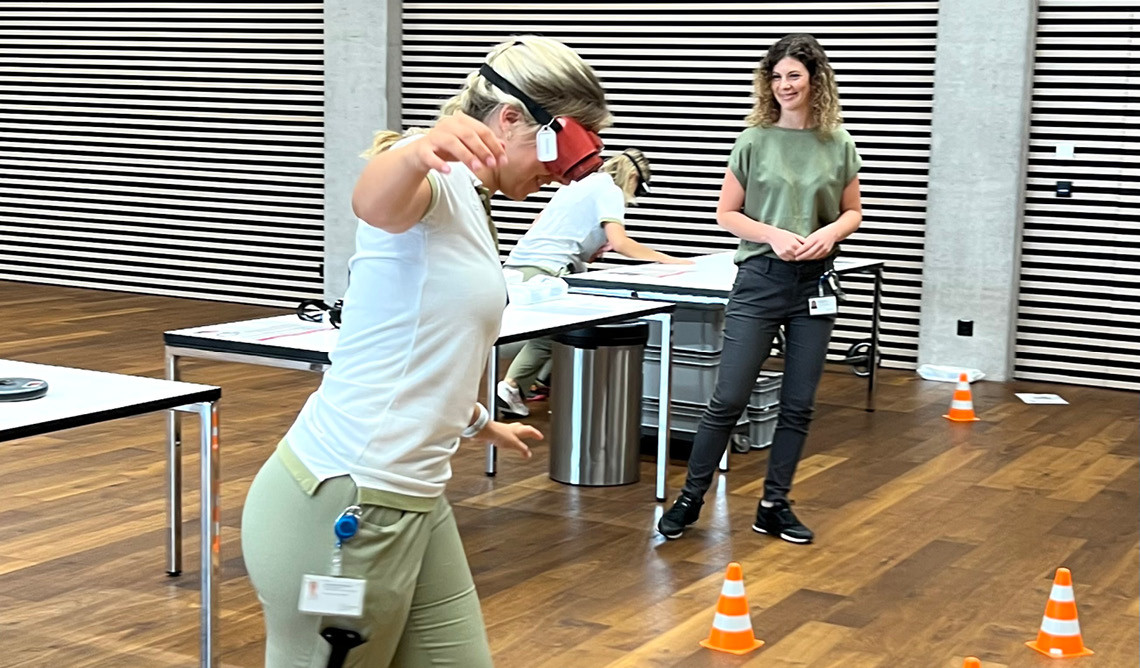
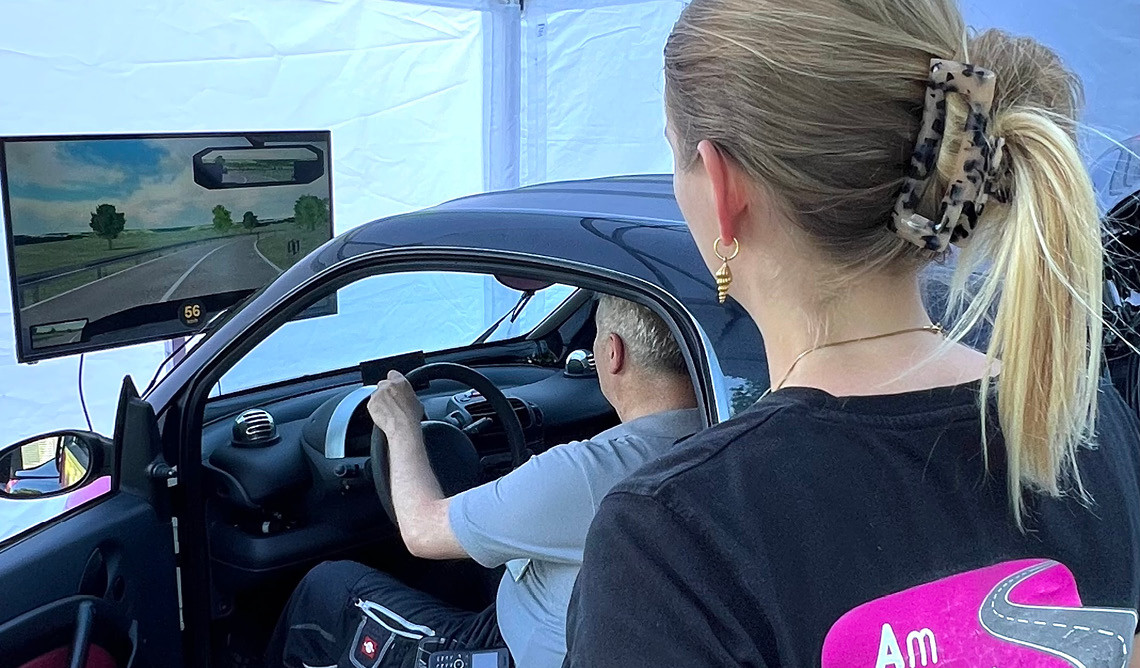
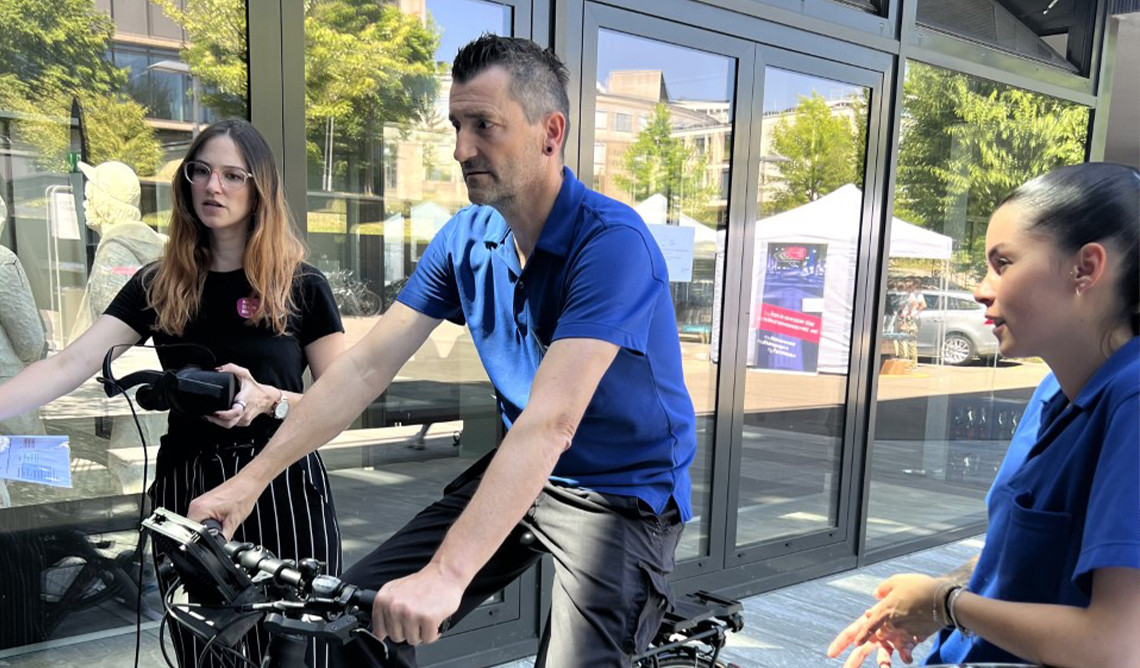
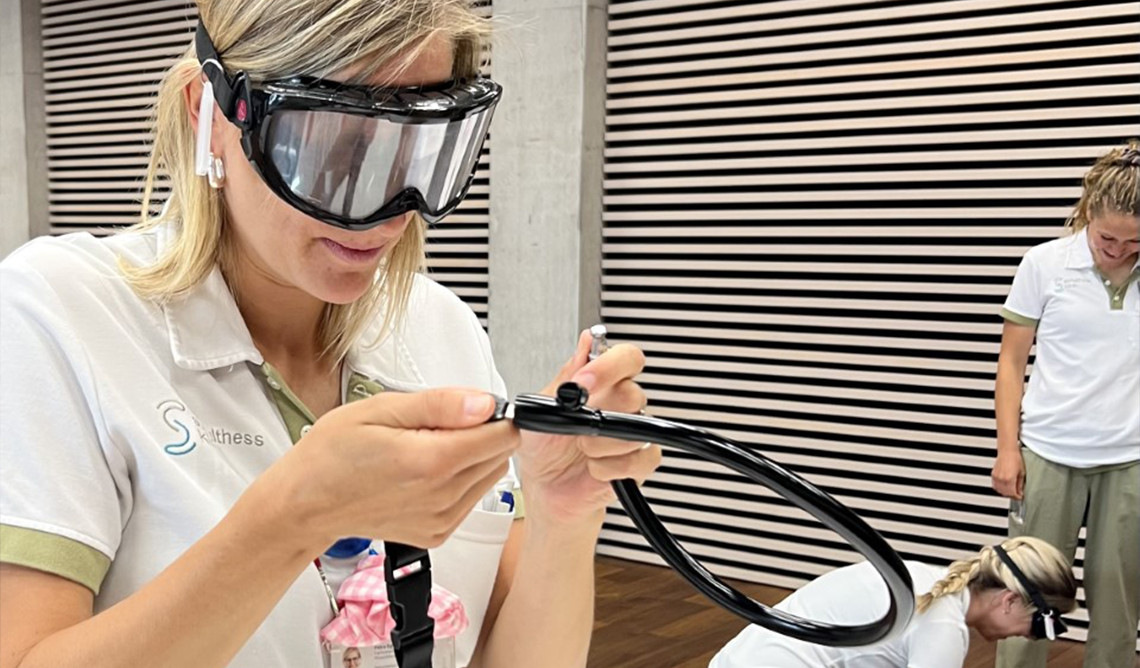
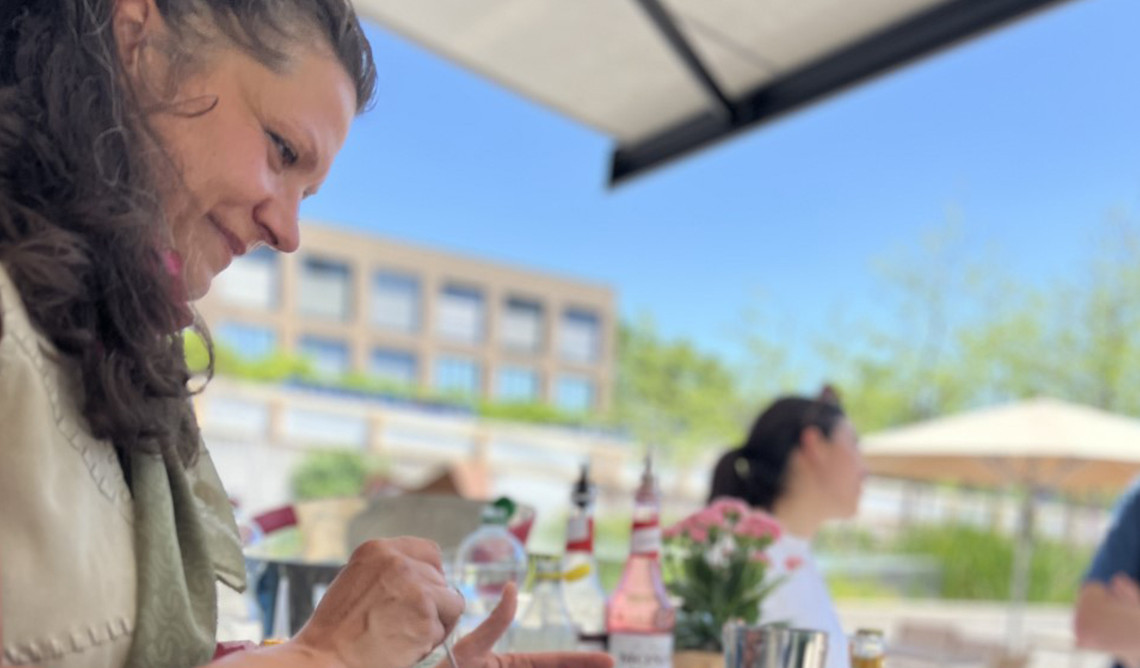
Effective occupational health management does not rely on concepts on paper, but on specific measures in day-to-day working life. For example, in 2025, under the annual theme "Staying healthy", we consolidated, further developed and raised the profile of our existing services. One highlight was the “Präventiv stark!” [strong through prevention] employee event, which focused entirely on prevention, exercise, stress management and mental health. Expert input, interactive activities and practical ideas raised awareness of personal health and emphasised the importance of prevention in everyday working life.
Safety and respect
Safety and mutual respect are essential for a healthy working environment. In cooperation with new-win AG, we launched a digital tool back in 2023 to systematically record and thus highlight physical and verbal assaults by patients, customers and partners. This underlines our clear stance: zero tolerance for violence and verbal and physical assaults. Targeted training and coaching opportunities were also offered in 2025 to help employees act safely and professionally, even in difficult situations. The impact is measurable: in 2025, the number of recorded incidents decreased by more than 30% compared to the previous year.
Our commitment to the environment
Sustainability is a top priority at Schulthess Klinik. As a healthcare institution, we are responsible not only for the health of our patients, but also for interacting with the environment and managing resources in a responsible manner. This awareness is particularly important in the healthcare sector given that, globally, the sector accounts for around five percent of greenhouse gas emissions. This fact reinforces our commitment to consistently embedding sustainable practices in our daily operations and actively contributing to reducing our environmental impact.
Our sustainability strategy is based on the three closely linked pillars of ecology, economy and social responsibility. The environmental aspect is firmly integrated into our strategy and day-to-day running. A certified environmental management system in accordance with ISO 14001:2015 provides the structural framework for this.
Our commitment is underpinned by an environmental programme with clearly defined overarching objectives, which are established, implemented and monitored over a period of several years. An internal environmental committee coordinates this commitment, monitors projects and initiates new measures. The focus is on the responsible use of resources, the implementation of technologies that are as sustainable as possible and the continuous review of our environmental impact. The measures brought in are regularly evaluated and continuously refined.
Specific progress in 2025
Schulthess Klinik once again made tangible progress in a number of areas in 2025. For example, the hospital used the legally required inspection of its fire extinguishers to replace all units with PFAS-free models. In doing this, it has completely eliminated a group of substances that are potentially harmful to the environment.
The provision of healthy and sustainable food has long been a priority at Schulthess Klinik – featuring regional products, reduced meat consumption and targeted measures to combat food waste. In 2025, the kitchen reached another milestone: the complete elimination of products containing palm oil. This represents a further contribution towards more sustainable catering and a better carbon footprint.
Only providers who know their suppliers can truly assess how sustainable their own supply chain is. That is why, in 2025, Schulthess Klinik carried out systematic supplier audits and assessed key partner companies along the supply chain. Legal requirements, risks and opportunities for improvement were jointly analysed and appropriate measures implemented as part of this.
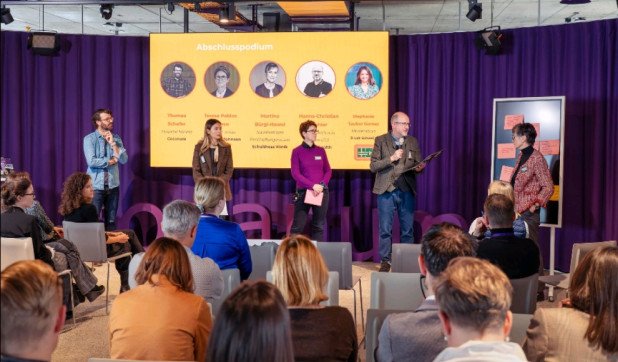
Beyond its own organisation, the hospital is also actively involved across the sector: as a founding member of the Healthcare Collective, it plays an active role in workshops and professional exchanges with other stakeholders in the Swiss healthcare system. The aim is to share experiences, improve networking and jointly develop concrete solutions for greater sustainability in healthcare. At the heart of this movement lies a shared vision that transcends sectoral boundaries.
Energy from Lake Zurich
In parallel, a long-term infrastructure project is progressing. Together with other institutions in the Lengg healthcare cluster, Schulthess Klinik will use energy from Lake Zurich from 2027 onwards to heat and cool its buildings. Lake water will be channelled into the district via a pipeline system and modern technology used to supply the buildings with energy. In 2025, the focus was primarily on developing this system – with construction work being carried out on the pipelines, the pumping station and the energy centre.
Research is the driving force behind our quality
Research has a long tradition at Schulthess Klinik. The hospital’s founder Wilhelm Schulthess was a pioneer who, as early as the late 18th century, systematically observed, documented and advanced the field of medicine. This pioneering spirit continues to shape us today.
The cornerstone for modern outcome research was laid in 1972 by Prof. Norbert Gschwend in the field of hip and knee prosthetics. Since then, we have been recording treatment results in a standardised and long-term manner. We have been conducting systematic patient surveys since 2004. With over 230,000 documented responses, we now have one of the largest pools of data in orthopaedics.
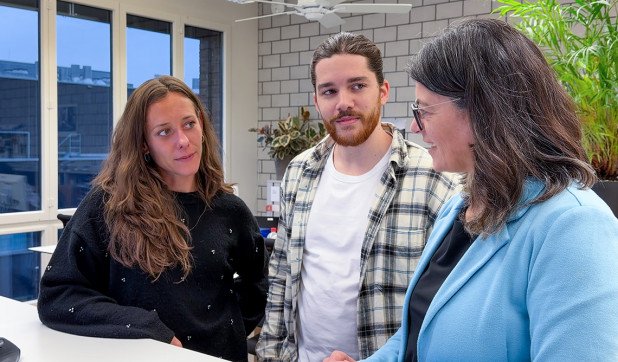
Our focus is on outcome research. Our research questions stem directly from day-to-day clinical practice. We are interested in what specifically brings the greatest benefit to patients. We investigate treatment efficacy as well as pain, function and quality of life over time, and how results can be further improved. Our research associates work closely with the doctors. This ensures that our findings are directly incorporated into patient care. Research activities are largely funded by the Foundation as the sponsoring body, but also through donations to the Foundation’s research fund and third-party funding. This includes public funding as well as cooperations with partners from the medical technology and healthcare industries.
Our research priorities
Our goal is clear: people should be able to get back on their feet more quickly, more safely and more sustainably after an injury or operation – with less pain and a better quality of life.
Working towards this, we focus on three key research fields:
- Precision orthopaedics and predictive models
Using quality of life questionnaires and movement and function measurements, we develop models to better assess, even before surgery, which treatment will help which patients the most. These kinds of predictive models are particularly important in medical fields where treatment outcomes are not always satisfactory. This allows therapies to be planned more individually and informed decisions to be made by the patient and medical teams involved. - Digital orthopaedics and functional diagnostics
Sensors, camera systems, remote monitoring and apps allow researchers to precisely record movements and healing progress – even in day-to-day life at home. These technological capabilities make participation for patients easier, as they replace the need to fill out questionnaires, for example. Progress can be seen earlier and treatments can be managed in a more targeted manner. - Surgical innovation
Navigation, robotics, 3D planning as well as new implants and instruments are carefully tested by us, first in the laboratory with our research partners, then in clinical practice. This means that surgical techniques can also be continuously refined with the aim of performing less invasive procedures. For patients, this means a faster recovery and a quicker return to day-to-day life.
This is how research becomes a driving force for quality – measurable, effective and with a direct impact on our patients.
Patient Assistance Fund: when help opens up new possibilities
Not all patients are able to finance necessary treatments or rehabilitation measures themselves. The Wilhelm Schulthess Foundation’s Patient Assistance Fund supports people in situations like this – quickly, no red tape, and where help is most urgently needed.
Continuing in 2025, the fund enabled numerous patients in difficult situations to receive medical treatment at Schulthess Klinik. The Patient Assistance Fund was once again supported by a large number of people in the past year. We would like to take this opportunity to thank all our donors. Their contribution enabled us to support a total of eight people and finance specialised therapy for them.
A moving end
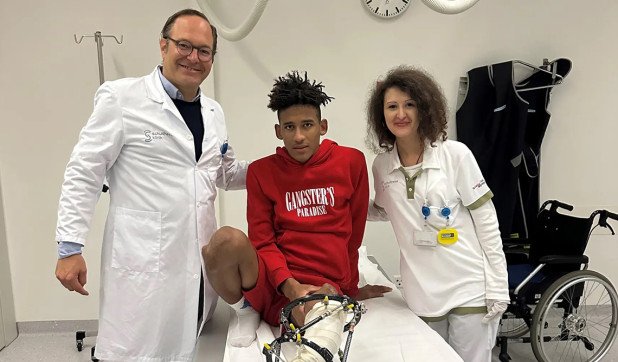
We were particularly moved by the end of treatment for Eduardo from the Dominican Republic in 2025. His complex treatment had already begun the previous year. Eduardo suffered from a rare congenital misalignment of both knee joints. The deformation not only severely restricted him physically, but it also led to feelings of shame, social withdrawal and, ultimately, to Eduardo dropping out of school.
Thanks to the support of the Patient Assistance Fund, he was able to undergo multiple operations at Schulthess Klinik. In a series of complex procedures, the team from the Paediatric Orthopaedics and Knee Surgery departments gradually corrected the deformity of over 90 degrees.
After an eleven-month stay in Switzerland and three successful surgeries, Eduardo returned home in March 2025 with a completely new outlook on life. Today, he is practising walking unaided, free from the shame and isolation that had previously defined his life. His story shows what is possible when medical expertise and a spirit of solidarity come together. The Patient Assistance Fund thus not only makes treatments possible, but also opens up completely new prospects for the future.